Problem
Broken Cork in a Wine Bottle? How a Sommelier Gets It Out
A cork that snaps in the neck is common with older bottles, and the wine is almost always fine. Here is how sommeliers remove the piece that is left, what to do if it falls in, and how to stop it happening next time.

The Short Answer
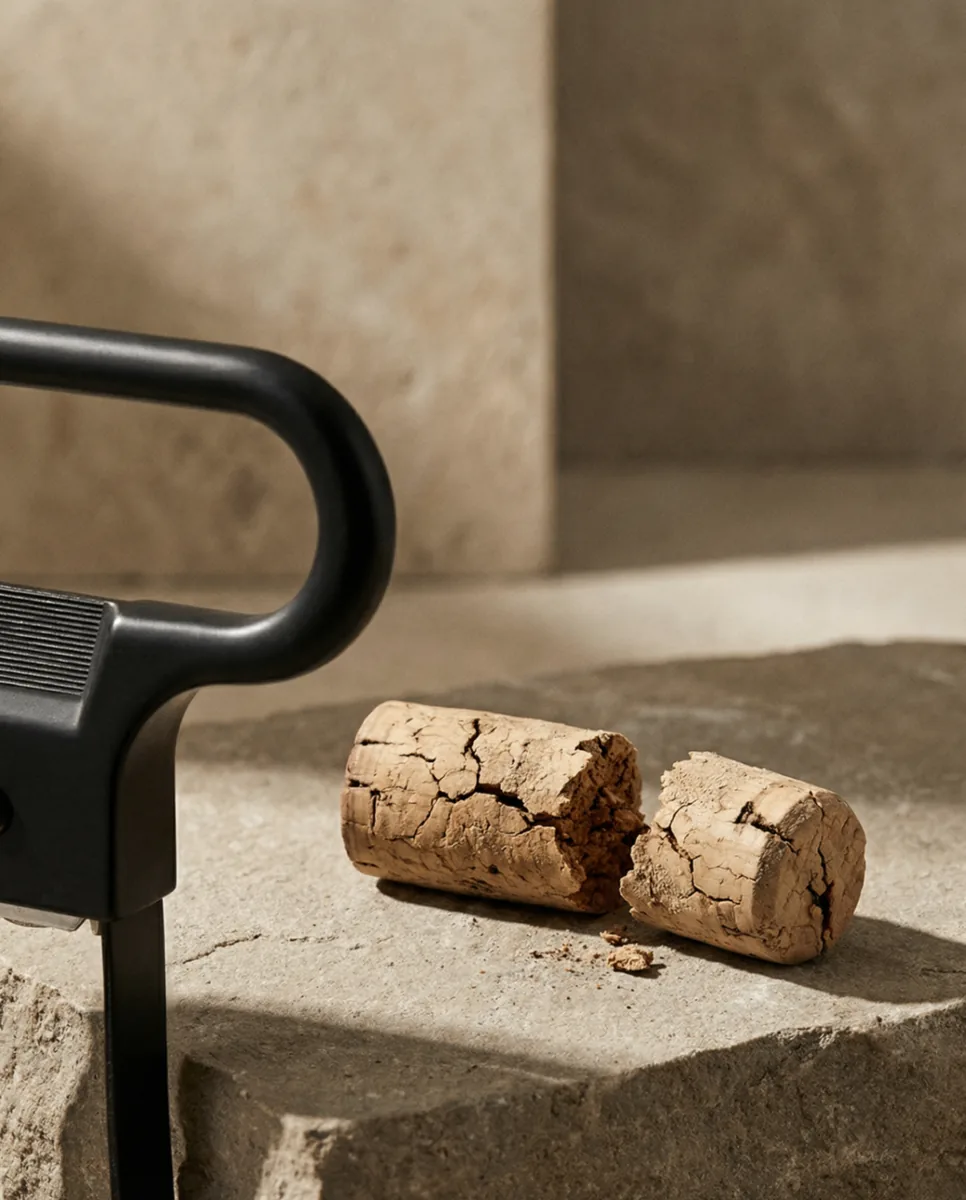
If half the cork is still in the neck, put the corkscrew back in at a slight angle, screw it through the remaining piece and pull slowly. If that piece is too dry to hold a screw, slide in the two prongs of an Ah-So and twist it out. If the cork falls into the wine, the wine is not ruined: pour it through a fine strainer into a decanter and serve.
Why Corks Break
Corks break for three reasons. The cork is old and dry, so it has lost the elasticity that holds a screw. The screw went in only halfway, so it pulls the top off and leaves the bottom behind. Or the cork was pulled at an angle, which snaps it against the side of the neck.
Lever and electric openers make it worse on older bottles: they pull fast and hard, and a dry cork tears instead of sliding out.
If the Cork Broke Halfway
Wipe the neck and look at the piece that is left. Put the corkscrew in at about 45 degrees along the side, so the screw bites solid cork instead of the hole from the first try. Turn until the tip almost reaches the bottom of the cork.
Lever slowly, and finish the last part by hand with a gentle twist. If the piece starts to crumble, stop pulling and switch to an Ah-So.
If the Piece Is Too Fragile for a Screw
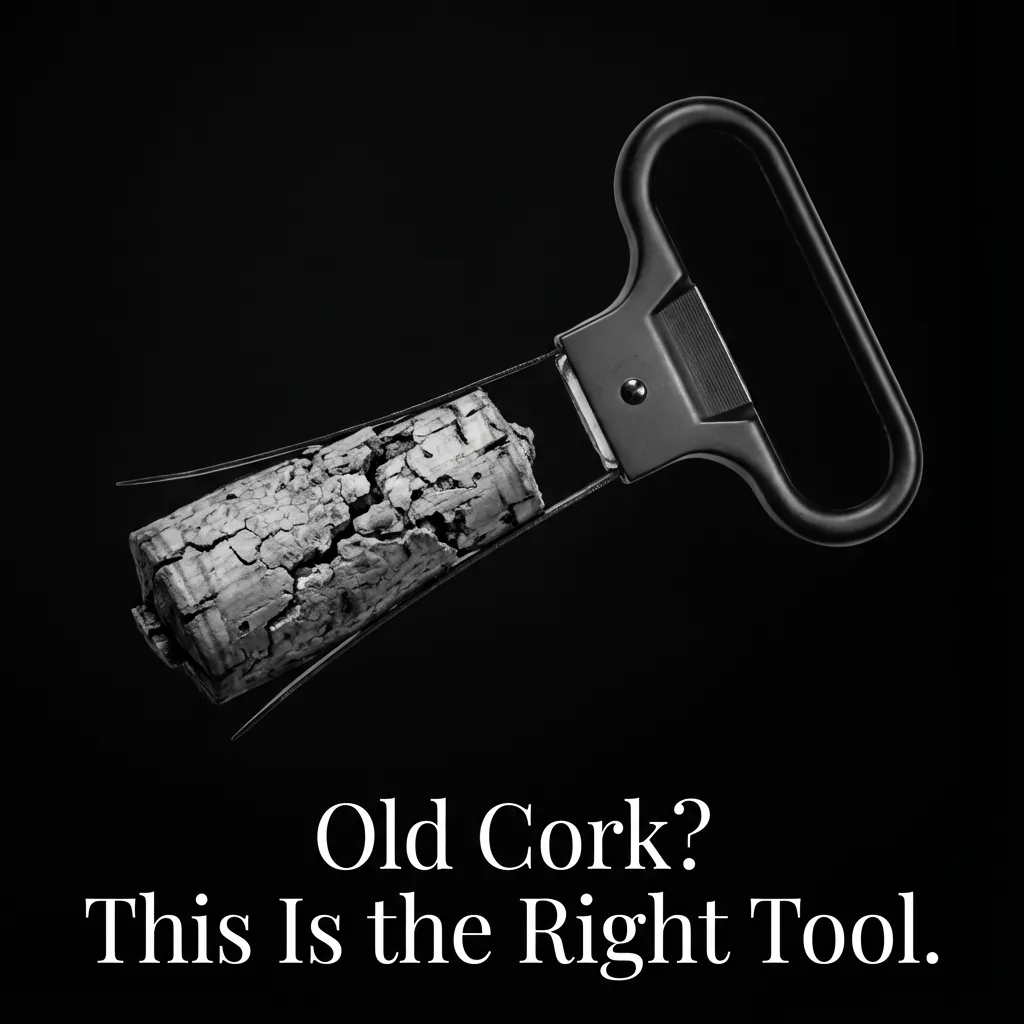
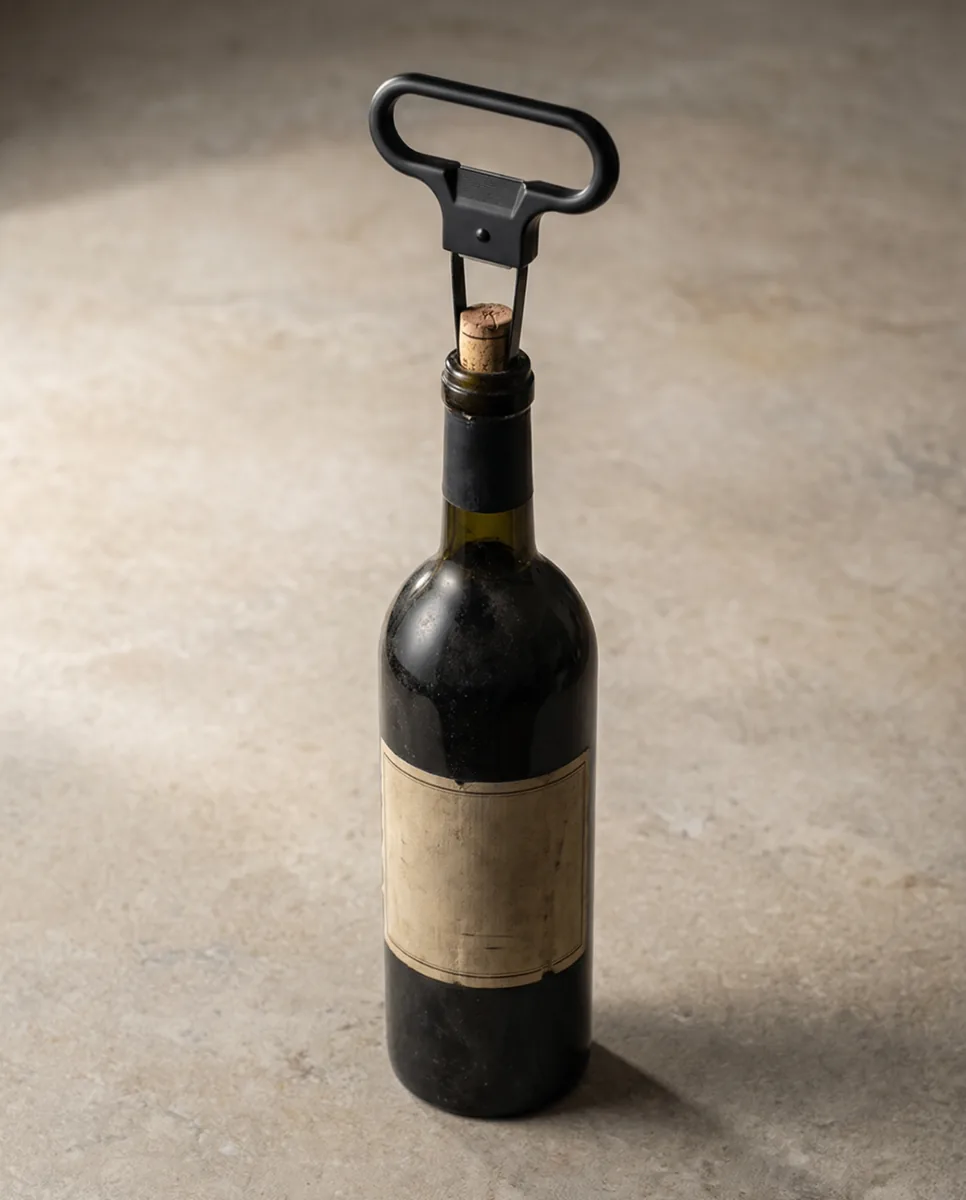
An Ah-So grips the cork from the outside, so it does not need solid cork in the middle. Slide the longer prong down between the cork and the glass first, then the shorter one, rocking gently. Only when both prongs are fully down, twist and lift at the same time.
For very old, crumbling corks, a hybrid opener such as the Durand or the VinoLab Hybrid holds the cork from the inside with a centre screw while the prongs grip the outside.
If the Cork Fell Into the Wine
Do not fight it. Push the rest of the cork in gently, then pour the wine through a fine-mesh strainer, a clean muslin cloth or an unbleached paper coffee filter into a decanter. The pieces of cork do not harm the wine in that short time.
To get the cork out of the empty bottle afterwards, a cork retriever (long wire claws) does the job. With an old red that has sediment, decanting through a strainer is a good idea anyway.
What Not to Do
Do not dig at the cork with a knife or a screwdriver: the glass at the lip can chip into the wine. Do not heat the neck. Do not bang the bottle on a wall or a shoe; that trick is for pushing out an intact cork, and it risks breaking the bottle.
How to Stop It Happening Again
Screw the corkscrew in fully, until about one turn of the screw is left above the cork, and pull straight up. For bottles older than about 15 years, start with an Ah-So instead of a corkscrew. For 30 and 40-year-old bottles with dry corks, use a hybrid opener from the start.
Is the Wine Still Good?
Yes. A broken cork, or cork pieces in the glass, does not make a wine "corked". A corked wine has a musty, wet-cardboard smell caused by a compound called TCA, which has nothing to do with how the cork broke. Taste it: if it smells fresh, serve it.
Compare Ah-So Wine Openers
Budget
SOMM DIGI Ah-So
Classic two prongs
See on Amazon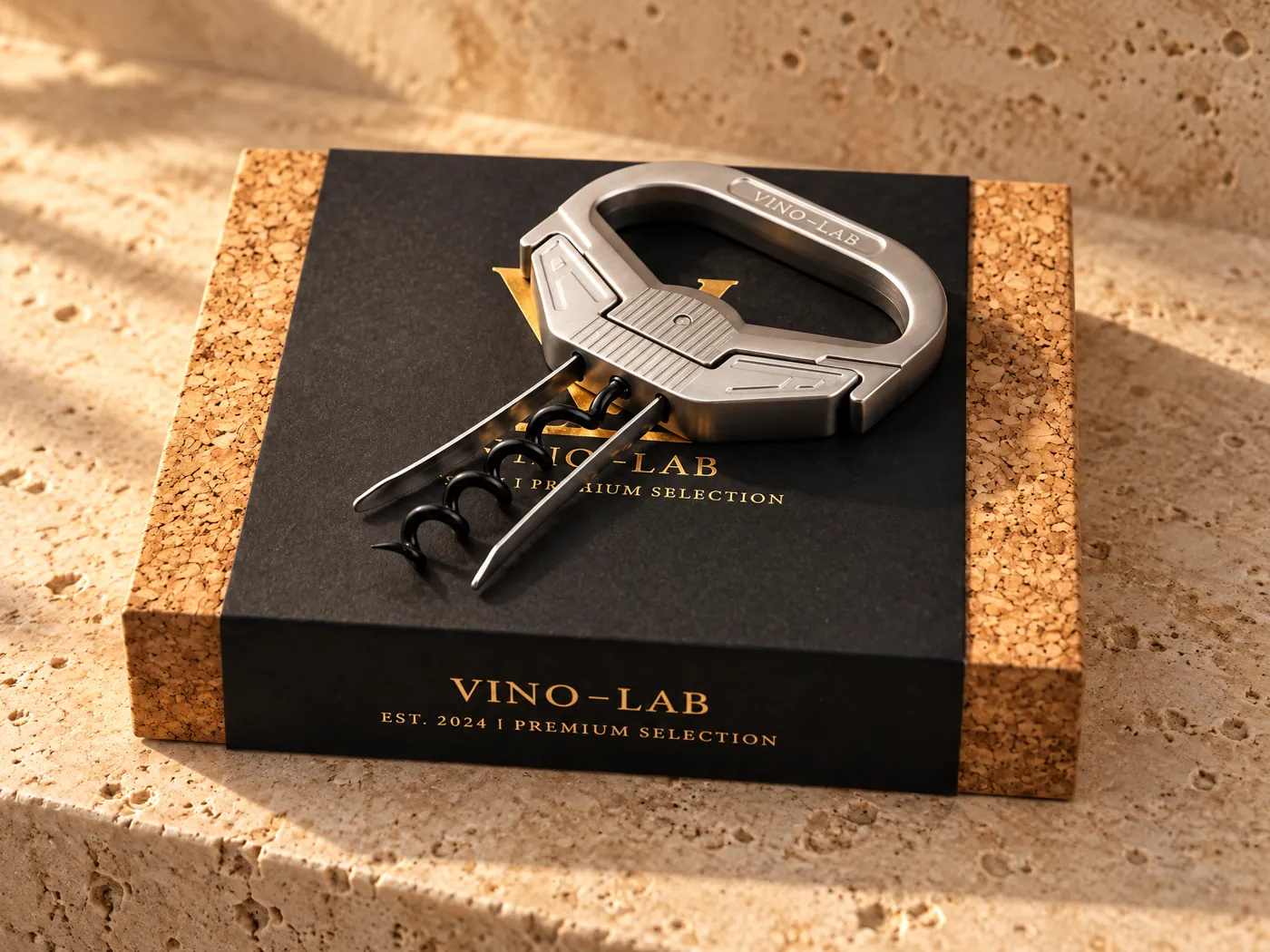
Mid-range · New
VinoLab Hybrid
Prongs + corkscrew
See on Amazon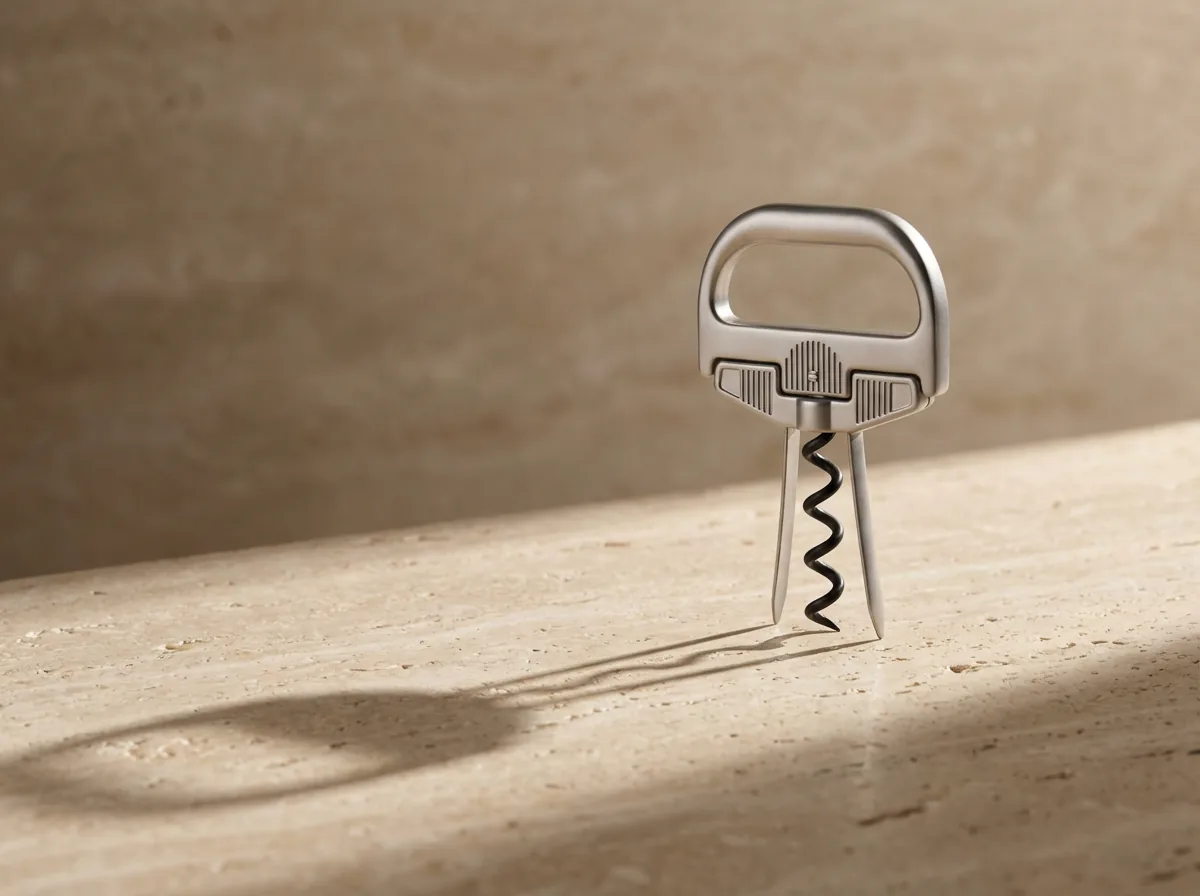
Premium
The Durand
Prongs + corkscrew
See on Amazon
Prices change, so each button shows today's price on Amazon. Affiliate links: SOMM DIGI may earn a commission at no extra cost to you.
Related Articles
Why Old Corks Break — and How an Ah-So Saves the Bottle
Cork is tree bark. After 20–30 years, it dries out, shrinks, and loses the elasticity that makes corkscrew extraction work. That is why a corkscrew that works perfectly on a 2018 Cabernet will shred a 1985 Burgundy. Here is the science and the solution.
How to Use an Ah-So Wine Opener Correctly (Sommelier Method)
Four steps: insert, rock, twist, pull. The Ah-So technique takes 15 minutes to learn and becomes automatic after a dozen uses. Here is the correct method, the common mistakes, and what to do when things go wrong.
Best Wine Opener for Old Corks: Choose by the Bottle's Age
The right opener depends on how old the bottle is. A sommelier's guide from young wines to 50-year-old corks: the waiter's friend, the Ah-So, hybrid openers like the VinoLab and the Durand, and port tongs.